

Did you ever start sneezing or coughing right after you entered a building or home? You can probably blame the poorly maintained indoor air quality.
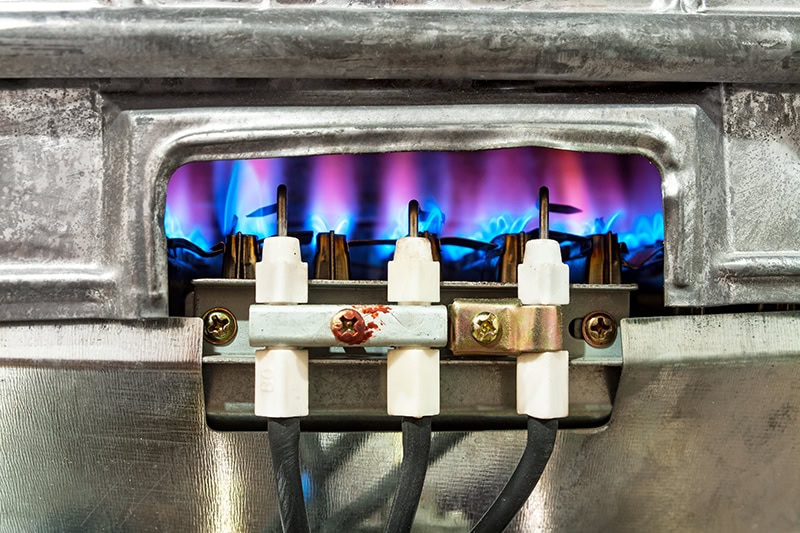
Our experienced furnace repair technicians will inspect and diagnose your furnace issue and resolve the concerns you are having.

Taking proper care of your HVAC system is the best way to ensure it will function efficiently and reach its full service life potential.

If you’re concerned about the humidity change and want to enhance your comfort inside your home, installing a humidifier is an excellent option.

Heartland Heating and Cooling is pleased to bring the finest HVAC options to Jamestown, and surrounding area residents.
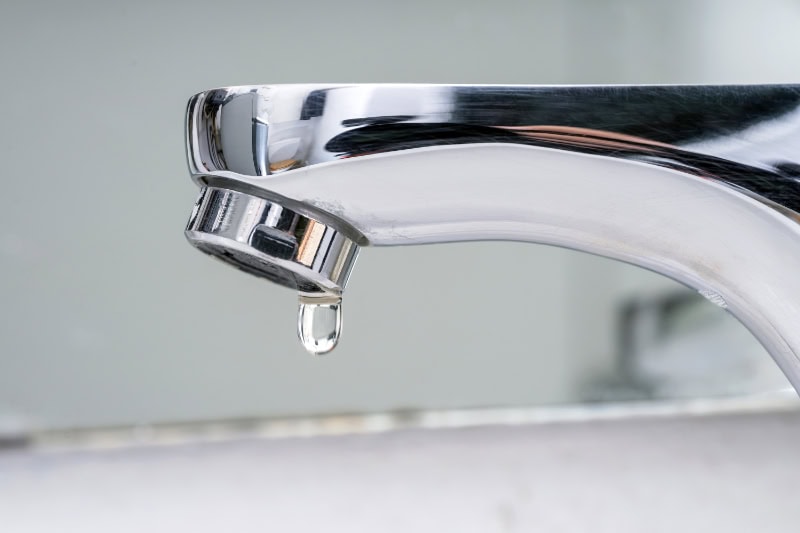
A faucet might seem like a minor feature in your home, but it plays a critical role in your daily routine. From brushing your teeth and washing dishes to filling pots for cooking or watering your plants, faucets are essential for convenience and cleanliness.
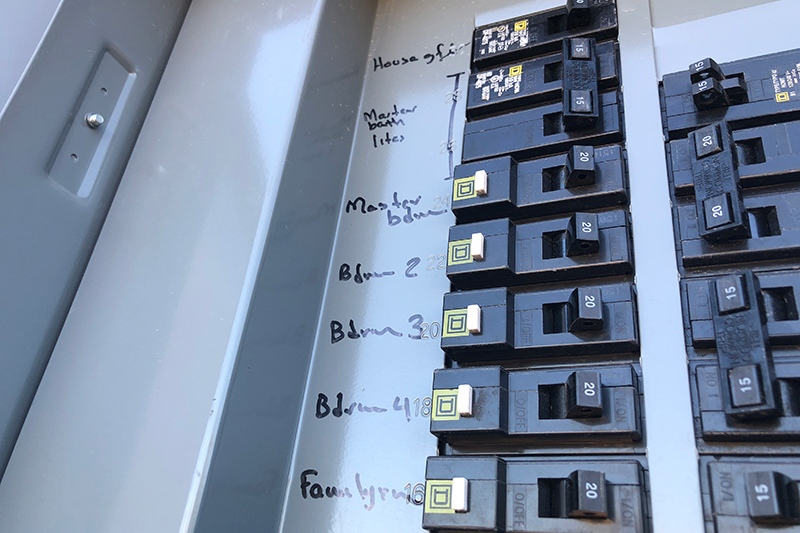
Homes in North Dakota and throughout the country rely heavily on electricity to power appliances, devices, and lighting. Upgrading your electrical system can improve the functionality and safety of your home, as well as enhance its overall value and energy efficiency.
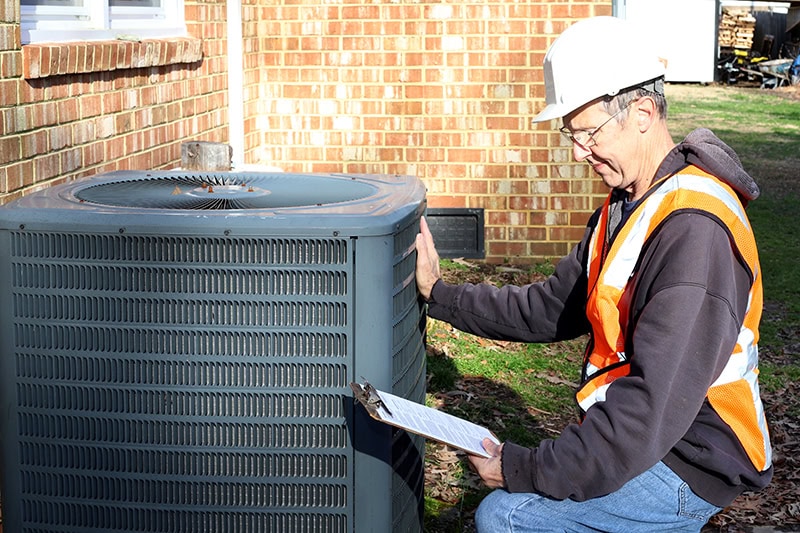
According to the U.S. DOE, a simple task such as changing the air filter on your HVAC system can improve efficiency by up to 15 percent.

As the temperatures begin to rise in Jamestown, many homeowners are firing up their air conditioners for the first time in months. But what if, instead of a refreshing blast of cool air, you’re hit with an unpleasant smell?

From replacing air filters to scheduling maintenance, spring cleaning your cooling system can prevent breakdowns and keep your home comfortable.

